





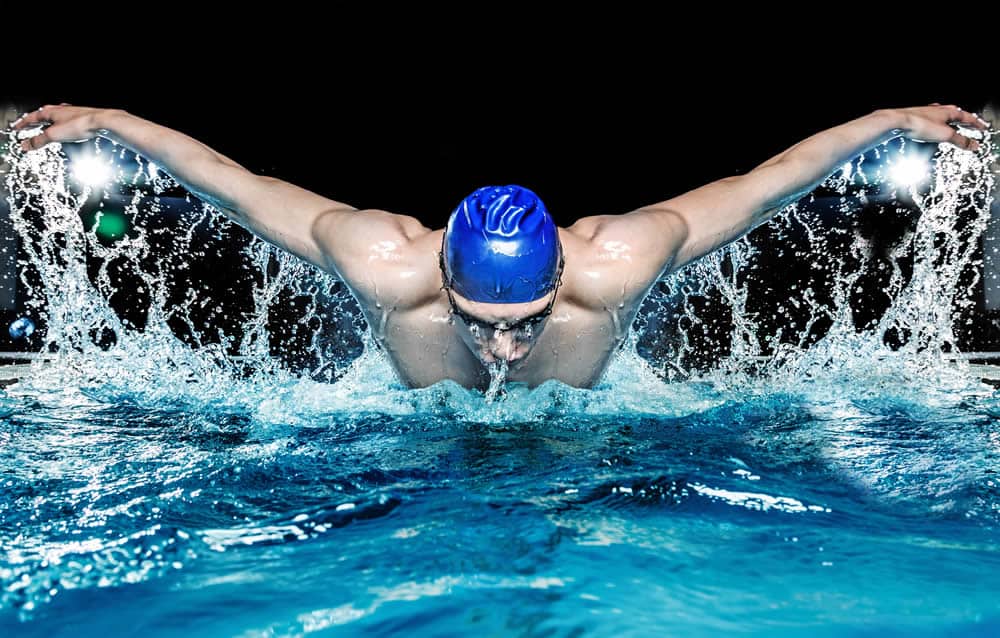

For many people, summer days are spent in the water playing, exercising or simply relaxing. Swimming is usually considered a gentle form of exercise and is often used as therapy for people recovering from a variety of musculoskeletal conditions or living with chronic pain.
On the other hand, let’s consider the swimmers who are aquatic athletes. Swimmers prepare for intense competitions by spending many strenuous hours each day performing swim laps in the pool. Just like in any other sport, swimmers are prone to injury. Swimmers use all of the muscles of their body to exert tremendous force on the water and propel themselves to move forward at high speeds. At the end of the swimmer’s day, total body care is needed.
Sports massage helps swimmers be healthy and strong, both mentally and physically, throughout the swimming season and beyond.
4 Common Swim Injuries
1. Swimmer’s Shoulder is the most common swimming injury. The repetitive use of the shoulders for performing various strokes can lead to overuse that can be harmful to the swimmer’s body. Typically, competitive swimmers have particular swim strokes that they perform more frequently than others, which means they use specific muscle groups substantially more than others. There is no way around it. This repetition of movement over and over can wear down the muscles over time.
It is also common for the swimmer to adapt and change their stroke pattern to compensate for pain and muscle dysfunction. Athletes with swimmer’s shoulder frequently experience pain in the anterior lateral aspect of the shoulder – the muscles feel fatigued and weak. In this situation, it is nearly impossible for the swimmer to use proper stroke mechanics. The swimmer often continues to compete with improper stroke mechanics and this can cause even further problems for them over time. Sometimes the shoulder injury may be minor with mild discomfort and other times there may be major tissue damage that will take a long time to heal.
2. Swimmer’s Knee or “breaststroker’s knee” is another common injury that may occur to competitive swimmers. Knee injuries are among the more common overuse injuries experienced by competitive breaststroke swimmers. During the breaststroke, the swimmer repeatedly kicks the knee out to move through the water. If the knee is in improper alignment during this repetitive motion, the stress builds on the knee and creates swelling, pain, and muscle fatigue. The repetitive force creates pressure on the medial collateral ligament inside the knee joint.
3. Ironically, swimming provides successful relief of back and neck pain, but it can also be the root cause of back pain. Many swimming strokes require the athlete to hyperextend their back to lift the head out of the water. The combination of repetitive motion, stress on the back muscles for extended periods of time, and constant movement of the legs to keep the torso out of the water, all can lead to neuromuscular discomfort and muscle weakness in various areas of the back.
4. Just like with any other strenuous activity, swimmers are prone to muscle cramps. Muscle cramps are an involuntary tightening of the muscle tissue that last from anywhere between a few seconds to several minutes. For swimmers, arm and leg cramps are common. The muscle may contract to the point where it bulges into a hardened mass and creates terrible pain. Intense muscle cramps are tender to the touch. Also, they may soften and release and then cramp up again several times before fully letting go. Muscle cramps are uncomfortable, sore, and sometimes seem unbearable, causing the surrounding area to stiffen and limit mobility of the affected area of the body.
Sports Massage to the Rescue
Research suggests sports massage may offer several benefits for swimmers, including:
- Supporting post-exercise recovery
- Reducing delayed-onset muscle soreness (DOMS)
- Improving flexibility and range of motion
- Promoting muscle relaxation
- Helping reduce pain and discomfort associated with overuse
- Preparing muscles and connective tissues for activity
- Supporting mental relaxation and focus before competition
- Complementing an overall injury prevention and recovery program
Massage therapy can play an important role in supporting recovery and may be one component of a comprehensive injury prevention program for swimmers. Maintenance sports massage therapy for the swimmer can evaluate posture, movement patterns, and areas of muscular tension or imbalance. By identifying any improper alignment in the swimmer’s body, the massage therapist can help prevent injury down the road.
The sport massage techniques applied can help promote flexibility, relaxation, and softening of the connective tissue as needed. Massage therapists can provide suggestions around how to develop balanced postural alignment using proper stretching techniques and encourage basic self care strategies. Equally as important, regular sports massage helps swimmers manage the stress and anxiety that comes along with being a competitive athlete.
Pre-Event Sports Massage
Sport massage is also an asset before and after swimming events. Prior to a swim meet, gentle, relaxing sports massage assists in warming up the muscles, increasing circulation, and stretching the muscle tissues in preparation for a high level of activity. Deep tissue and highly vigorous techniques should be avoided prior to an event. A relaxation massage can help the athlete to focus and feel strong for their race.
Post-Event Sports Massage
Post-event massage is focused on soothing the muscles that worked the hardest during the swim meet. The massage is usually no longer than 30 minutes. The sports massage should help release muscle cramping and help relieve areas of pain with moderate pressure to the soft tissues, compression, stretching, and range of motion techniques. After a swim competition, a brief, effective sport massage can help to rest and rejuvenate the hard-working body and mind.
Clinical sports massage can be a valuable component of a comprehensive treatment plan for many common swimming-related overuse injuries. As mentioned above, swimming injuries most commonly result from repetitive training loads combined with stroke mechanics, muscle imbalances, and inadequate recovery. Massage therapists should evaluate the swimmer’s individual presentation, address areas of dysfunction, support tissue recovery, and consider stroke mechanics and training demands when developing an individualized massage plan. A 2020 systematic review published in BMJ Open Sport & Exercise Medicine found that sports massage may help reduce muscle soreness, improve flexibility, promote relaxation, and support recovery following training and competition.
Together, these effects may help the swimmer feel more comfortable and prepared to resume normal movement and training.
Swimmer’s Itch
For swimmers who find themselves in swimming holes, lakes, streams and beaches, there may be a different type of problem to consider. During the warmer seasons of the year, swimmer’s itch is a relatively common ailment that affects the exposed skin of swimmers. Swimmer’s itch, or cercarial dermatitis, is a skin rash caused by an allergic reaction to an infection coming from certain microscopic parasites. The parasites are typically released from infected snails, swans, or ducks who swim in fresh and saltwater and find their way underneath a swimmer’s skin.
The symptom of swimmer’s itch is:
- an itchy, bumpy rash that usually develops several hours after exposure to the parasite-infested water.
If left alone, within a few days, the rash usually disappears on its own.
Swimmer’s itch is challenging to diagnose because the rash may be confused with many other common skin ailments. However, massage therapists should be aware of the possibility of cercarial dermatitis when working with their clients who swim in fresh and saltwater. Massage therapy is contraindicated for clients with swimmer’s itch. Massaging, scratching, or rubbing the affected skin may increase irritation, worsen inflammation, and delay healing.
Updated July 15, 2026.



 Follow Us