




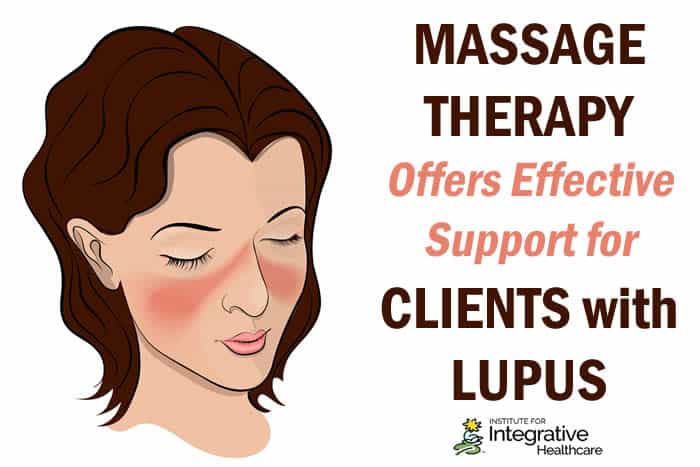

We often think of massage as a relaxing form of self care or something we do to indulge ourselves. However, massage therapy is so much more than a soothing form of holistic care. In many cases, massage therapy is an ideal complement to standard medical care for serious, chronic health conditions. Massage can make a world of difference for someone living with a complex disease. In fact, a medically focused massage session is effective at providing therapeutic relief that can make a significant impact on a person living with lupus. Massage therapy for lupus can be a valuable complement to medical care, helping support comfort, relaxation, and overall well-being.
What Is Lupus?
Lupus is a chronic autoimmune disease that can affect multiple body systems. When someone has an autoimmune disease, their body’s defense system is literally fighting against itself. In a healthy person, viruses and bacteria are identified and neutralized by antibodies created by the immune system. For someone with lupus, their antibodies cannot differentiate between foreign substances and healthy body tissue. The body’s own tissues are under attack and painful inflammation is a daily reality. People with lupus cope with an ongoing inflammatory response that causes muscle and joint pain, swelling, and damage to the body systems.
Common symptoms of lupus include the following:
- Chronic pain
- Joint pain
- Inflammation
- Tissue damage
- Fatigue
- Butterfly-shaped rash across the cheeks and bridge of the nose (malar rash)
No two people have the same experience of lupus symptoms. Flares or “flare-ups” are a severe expression of the lupus symptoms. Flares may include fatigue, headaches, sensitivity to light, joint pain, facial rashes, high and recurrent fevers, dizziness, abdominal discomfort, and forgetfulness. Often, the lupus symptoms go in and out of a “flare-up.” A lupus flare varies in intensity from moderately uncomfortable, disruptive of daily living activities and, at times, it can even be life threatening.
While research on massage therapy for lupus is limited, studies on chronic pain and autoimmune conditions suggest massage may help reduce pain, decrease anxiety, and improve overall quality of life.
Massage Therapy for Lupus Clients Can Offer Physical Support
Massage therapy uses a variety of hands-on techniques to stimulate the muscles and soft tissues, which can help improve circulation and promote relaxation. A person with lupus may benefit from these effects, as massage can support comfort, reduce muscle tension, and help ease joint and chronic pain.
The pain from lupus can be extreme and prevent someone from performing typical daily tasks. Massage therapy may help decrease pain for some individuals, so they may move through their normal activities. Light myofascial techniques can help soften and release adhesions and tightness in muscles that are sore and irritable. Gentle compression techniques can help to encourage circulation and bring fresh blood to joints, muscles, and skin. Also, shiatsu or acupressure style techniques may help reduce tension and support relaxation, which can ease discomfort and help increase joint mobility. Overall, massage can increase local circulation. Massage may also help reduce pain perception and support relaxation by influencing the nervous system, which can further improve comfort and overall quality of life for individuals with lupus.
Massage Therapy Can Also Offer Emotional Support for Lupus Clients
Living with chronic pain is extremely stressful. The whole body may feel tense, and the mind may be racing with worry and concern about the disease (and life in general). An increase in stress puts more pressure on all of the systems of the body and can lead to even more difficult body functioning. Massage helps the body and mind relax, which supports the function of all organ systems and may positively influence immune balance through stress reduction.
Because fatigue is a primary symptom of lupus, sessions should be adapted to avoid overexertion, as overly intense or prolonged treatments may lead to increased fatigue or symptom flare.
If a client has less pain and can rest and sleep more comfortably, they will have more energy to handle daily tasks and live their life. A person with lupus will feel less depressed or anxious because they are experiencing less pain and can finally sleep. Being able to participate in normal, daily events is encouraging, positive, and lifts the spirit.
Special Considerations
Individualized care should be provided to all massage therapy clients. This is especially important when offering medical massage for people living with autoimmune conditions. On the intake form, it is ideal to have a blank drawing of the body, so the client can specifically mark the places of stress, pain, and discomfort. Then take the time to thoroughly discuss with them what they may or may not want from the session. If they have organ dysfunction or tissue damage (i.e. bruising) in an area, it will be crucial to know beforehand because it will inform and guide your massage session.
Also, it is important to know what medications someone is taking when they are living with lupus. For instance, if someone is taking pain medications, they may not feel the pressure of certain types of bodywork (neuromuscular, myofascial, etc.), because they have decreased sensation and the therapist could cause damage to the tissue by working too deeply on the tissues. Or if someone is taking blood thinners, they may bruise easily, so the therapist needs to work very gently. A thorough medical massage intake form covers patient medications. The massage therapist should consider how the patient’s symptoms and medications advise the massage session.
Clients may also be taking immunosuppressive or biologic medications, which can affect tissue healing, infection risk, and fatigue levels—factors that should be considered when planning treatment.
If at all possible, communicate with their healthcare provider before the massage. It is good practice to either receive communication (i.e. referral or recommendation for massage therapy) from a client’s treating physician, or gain permission from the client to speak directly with their health practitioner. A well-connected healthcare team can fully support a client navigating the complicated nature of an illness like lupus.
Most importantly, be sure to meet your client where they are on any given day. If they are unsure about receiving massage because of pain or anxiety, begin on an area of the body that will be the most comfortable for them and adjust accordingly. If they are nervous about lying in a certain position on the massage table, provide options with bolsters and pillows for support. Start the session slow and modify your pressure and technique as you communicate with the lupus client throughout the session.
5 Contraindications
- During active flares, massage may need to be modified or limited depending on symptom severity. Gentle techniques may still be appropriate in some cases.
- Areas with active skin lesions should be avoided, while other areas of the body may still be safely treated.
- Massage timing after infusion therapy should be guided by the client’s healthcare provider, as recommendations vary by medication.
- Deep tissue massage is generally not appropriate, as it may increase tissue sensitivity or risk of injury.
- Heat should be used cautiously, as some individuals with lupus may experience increased symptoms with temperature changes.
In order to provide the best possible care for someone coping with lupus, massage therapists need to build connections with their client’s care providers. A well-coordinated plan of care can support a client with a chronic autoimmune disease. Massage therapy for lupus can be a supportive, adaptable part of that plan, helping improve comfort, reduce stress, and enhance overall quality of life.
Originally posted May 2018. Updated April 6, 2026.
 Follow Us